
Showing posts with label TextBook Timbo. Show all posts
Showing posts with label TextBook Timbo. Show all posts
Timbaland’s ’Textbook Timbo’ Is Due April
Timbaland sat down to with Ramiro, Pebbles, Melissa & Wiggy at HOT 96.9 Boston to talk about his new Mixtape, his Tour and Textbook Timbo, which is due April (for now), check out the Interview above and stay tuned for more information.


Timbaland x Huffingtonpost Interview, Talks ’Textbook Timbo’ & More
Timbaland Discuss his latest Mixtape ’King Stays King’, the much-anticipated release of his new album "Textbook Timbo" and the stories behind his memoir ’The Emperor Of Sound’.
*huffingtonpost.com
‘Textbook Timbo’ Due February 2016, Timbaland - Ravenous (15')

Timbaland revealed on his Instagram that his most-anticipated new album ‘Textbook Timbo’ will be released next year in February. This will be Timbo’s follow up to Shock Value 2 released back in 2009.
“Snippet of textbook Timbo coming feb watch me this year!!!!!!witness the greatness of lord watch how he work thur me!!!!!!2016” Timbaland also shared a new snippet from the studio which I’ve managed to extend until we get the full tune off it, check it out below.
Pharrell, Pusha T. & Timbaland Listening To ‘Textbook Timbo’ In The Studio
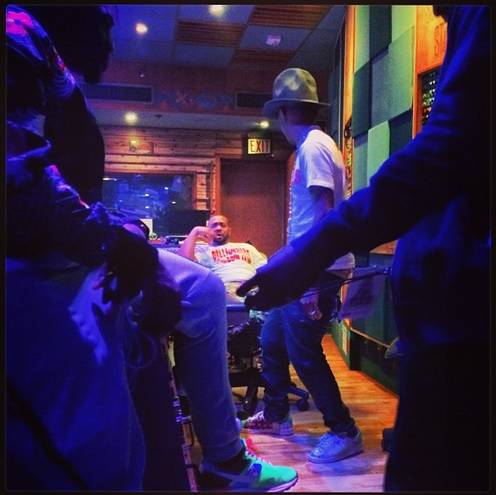 "Listening to some amazing sounds from #virginia #Pharrell #pusha #timbo #buffalohat @pharrellhat #music, And @Timbaland album is wonderous."
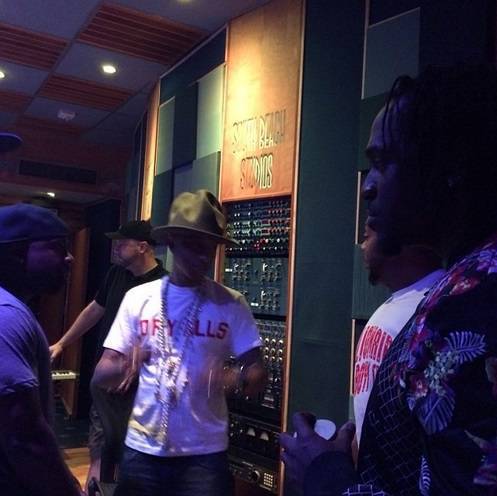

*instagram.com/lindalacubana
*instagram.com/kingpush
*twitter.com/pharrell
Timbaland - Bounce feat. Jay-Z (DJ Freakiii Edit) (14')
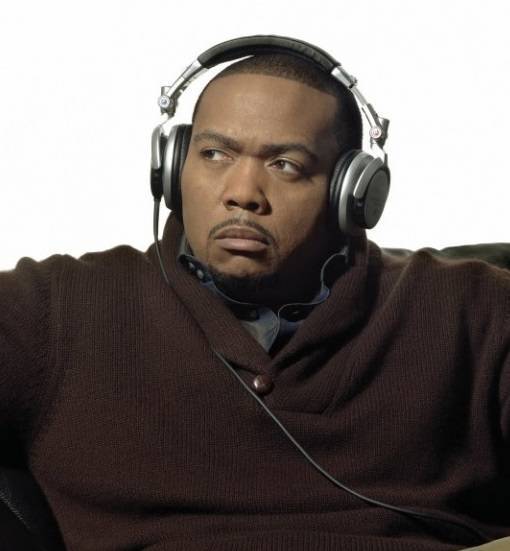
Since Timbaland previewed the studio session of his new track titled 'Bounce' back in November, I couldn't resist but to Edit the tune till we'll get the full one, because it's too dope. 'Bounce' will also feature Jay Z and will be available on Timbaland's upcoming album 'Textbook Timbo' due later this year, check out my edit and the studio preview below.
Christmas Apologies & Updates

I have not forgotten you guys! But I think a lot of you have forgotten me and this blog anyhow. I know it feels like a lifetime since we spoke about anything, seems like ten days is definitely a lifetime if you're hanging out in Camp Timbo! Allow me to express my apologies for the lack of interaction during this festive season, my work life took over all my free time, including blogging time, yet with 2014 coming, things will start to look up and go back to normal.
I'VE MISSED SO MUCH NEWS!
First there's the scoop that Tim is filming the video for "Know Bout Me" which is to be expected coming from the first single off of 'Textbook Timbo' both of which should be dropping in 2014 because Timbo has pretty much finished the album except for one song he's brushing up. Once he's sorted out that out it's just a matter of awaiting the green light (praying for no SV3 drama this time!)
Within in the Timbo Camp we welcome a new familiar name to the Mosley Music Group roster, namely James Fauntleroy! Guess all that writing for the last two Timberlake albums and all the other demos they've done together have finally persuaded Tim to hand him a contract, so we can now expect lots of quality written tracks for our MMG artists.
Next comes the more major news: Timbaland is finished working on the Michael Jackson project which has heavy production by him and a few others, most likely Quincy Jones and Freddie Mercury.
Not only that but Tim is back in studio with DeVante Swing to help record for the return album of JoDeCi!! Not sure yet whether or not we'll see 90's production from him or if he'll bring it up to date with his current style.
Finally to conclude Beyoncé released her latest single "Drunk in Love" with Jay-Z this month while next month it get's switched around when Jay-Z will release "Part II (On The Run)" with Beyoncé... The Carters are getting really active lately aren't they?
Timbaland No Damn Cliff - NYMag article

Here is a very well-written summary biography article from New York Magazine online which will make for a properly good read that we'll add to this site for archive's sake. Also we see a sneak peak of a new song entitled "Been It".
Grab your glasses (both reading and drinking), get comfy, as this will take a while:
Part 1: Introduction - No Damn Cliff
The weather keeps changing. Five minutes ago, the sky above Key Biscayne was clear blue, the palm trees were swaying in time with the music, and the sun was shining like it been hired for the occasion. Which, given the occasion, didn’t seem entirely implausible. But then, just like that, the air went from sultry to heavy. The wind was whipping through the palm fronds and the hair of the girls dancing on the beach. When the director of the music video—a man named X—looked up, there they were: a gang of clouds, rolling up on the scene like so much bad news. “Back!” someone yelled to the group of workmen wheeling a giant floodlight across the sand, who reversed course just as fat raindrops began to fall, sending the extras in their bikinis, the label people with their iPhones, and the stylist in leather shorts skittering toward shelter.
Only Timbaland, the video’s star, remains unfazed. Leaning against a royal palm, clad in a nautically themed sweatshirt, a massive gold chain featuring the head of Jesus dangling from his neck, he continues lip-synching the chorus of “Been It,” which will appear on his next album: “For your information, baby,” the song, an upbeat, heavily Auto-Tuned number that calls to mind early Snoop Dogg, goes, “I’m-a make sure and tell you ’bout these hoes.” It was written with Pharrell Williams, a friend of Timbaland’s from high school who is, like him, a world-famous producer and performer of cheerfully vulgar pop music. Pharrell Williams is expected later this afternoon to film a scene for the video, which will take place on a yacht, if—the director looks at the sky—the weather improves. Right now, the water is gray and choppy. A gust of wind blows, and Jesus, bouncing around on Timbaland’s sweatshirt, looks momentarily like He is clamoring for a life preserver. “Hoes,” continues Timbaland, who seems intent on fulfilling the song’s promise no matter what. “So many hoes.”
Then, as swiftly as they arrived, the clouds pass. The sun reemerges, along with the label people, the fashion guy, and the video girls, who are shaking water out of their hair like What was that?
“Miami,” someone shrugs.
“So many hoes,” Timbaland mouths. He adds a little eyebrow raise this time.
As a longtime denizen of both a tempestuous state and industry, Timbaland—real name: Timothy Mosley—knows how quickly the atmosphere can change. Five years ago, he was at the top of his game. The biggest names in the music business were clamoring for his production skills: Madonna, Beyoncé, Björk, M.I.A., Kanye West, Duran Duran, Jay Z. Everything he touched turned to platinum. Then, the clouds rolled in. The industry changed, tastes changed. “Every year changes, every generation,” he’d said the night before, sitting in the recording studio in Miami’s Setai hotel, surrounded by equipment that will, like all things, one day be outmoded. The inevitability of this doesn’t make it any less surprising when it happens, especially to a person. “I feel like I was getting whacked,” Mosley says. “The music of today, it’s not like the music I’m making. And, um. It just …”
He trails off. A bit of disbelief still lingering in his eyes, which are, like everything else about Mosley, big and round. For a while, he was very, very buff, but even with massive biceps, he’s one of those men who just can’t help but look like a large baby. But solid. Established, he thought. Which is why he was surprised when the winds of change swept in and blew him off the charts. “It was humbling,” he says.
For a while, he disappeared. There were rumors of drugs, financial insolvency, and depression. Then, this year, he was back, doing his thing on Jay Z’s Magna Carta Holy Grail and Justin Timberlake’s 20/20 Experience (Parts 1 and 2), like his same old self. But not quite. “This is New Tim,” he says, laying a (big, round) hand on his chest. “I done some changing,” he says. “I am much more in touch with me.”
To delineate the beginning of this new era, Mosley changed the name of his upcoming solo album so that it was no longer a continuation of his Shock Value series but the stand-alone Textbook Timbo. Like his previous albums, it features appearances from usual suspects like Jay Z, Justin Timberlake, and Pharrell, and some newer talent like Drake, and—well, that’s sort of it, really. “They have no stars in this generation,” Mosley says. “They have these D.J.’s, techno-whatever, that’s not music. That just goes to show you that drugs is that popular.” He laughs, then stops himself. That was kind of an Old Tim thing to say. “I don’t want to feel like I’m dissing people. Because guess what, they found a way to make a living for theyself. So who am I to dis the next man who know how to make a living for theyself?”
Part 2: New Tim is still the same as the old Tim in lots of ways
New Tim is more thoughtful about what he says, or at least quicker to apologize for saying it, like when he said earlier this year that Chris Brown and Drake’s remixes of deceased songstress Aaliyah’s vocals would never work, because only Timbaland, as her soul mate, could do them. “When I look back, I say, Man, I would feel some kind of way, too,” he says. “I was like, ‘You right, I’m wrong.’ ”
New Tim is still the same as the old Tim in lots of ways. He’s still “a big flirt,” he says. “Women are fascinated by me. I don’t know if my song got them through a rough time with their boyfriend or what, but the look they give me, it’s like they are looking into my soul. I attract that Sex and the City–type woman. Real sophisticated.” He gives me a meaningful look. “My wife, she did an analysis and said that 65 percent of white women love me.” He is still easily distracted. “I was talking to Jay, I said, ‘When did all these white people come to hip-hop?’ We watched it change. That’s how long we have been in the game.”
And prone to digression. “People have changed. Take yourself,” he says. “Like, your whole swagger is not like the typical white girl from back in the day. Go back and watch old interviews from another white woman, and you’ll be like, ‘Oh, God.’ The enunciation of words, the way they sat. It was all so much more sterile. Now, it’s more like, Yo, let me sit with you and talk. And the attraction level in this world today, I’m not attracted to just the same race no more. It’s like, Let me get into this white girl, or Let me date this Indian girl or this Puerto Rican girl. So many beautiful women, you can look past it. And like, your chemistry mixes better. Some countries you go to and people still, like, smell. But that doesn’t happen so much anymore. Now you come home with me, my body odor matches your body odor, and you’ll be like, ‘Wow, you smell so good.’ They used to say white people smelled like wet dog. I haven’t smelled that in about twenty years. Now, back to the music,” he says.
New Tim might be more humble, but he also knows how good he is. “A lot of people have great sounds, but they don’t have great music,” he says. “Have you seen that movie Now You See Me?” he asks. “That mentalist guy, the way he can hypnotize you, that’s me with my music. Like ‘Suit & Tie’ ”—from Justin Timberlake’s album, featuring Jay Z—“is a great masterpiece.”
Should he win a Grammy this year, New Tim knows exactly what he will say: “I’m twelve years a slave. In the music business. I’m the underdog. How many underdogs out there? Fight for what you believe in. Shit will happen. I’m standing up on this podium, as a living witness, to witness that God is always on time. Not on your time. But he knows when you deserve something.”
Mosley has come far, though not as far as he sometimes makes it sound. Which is understandable: When you’ve seen the heights he’s seen, everything else looks like the bottom. He was born in Norfolk, Virginia, a military town on the shores of the Chesapeake Bay. From the beginning he showed little interest in anything other than music. “He was the quiet type,” says Missy Elliott, who was invited over to his house one day by a mutual friend, an aspiring rapper named Melvin “Magoo” Barcliff, and went there every day thereafter, the two of them making up rhymes while D.J. Timmy Tim, as he called himself, played a tune on his Casio keyboard, beatboxed with his hands, tapped a pencil, whatever sounded cool. His rhythm was so impressive that after another student at the school, Pharrell Williams, heard him banging out a beat on his desk one day, the two soon joined forces in the group Surrounded by Idiots. The resulting recordings achieved a level of buzz in area high schools that today might be called viral, but this was the eighties, when things took longer. So it was that 15-year-old D.J. Timmy Tim was still working at Red Lobster the night one of his co-workers decided to show off his new gun, which was accidentally discharged. Mosley survived what might be the least gangster shooting in music history—it occurred while he was “washing dishes, no less,” he says with a sigh—but the bullet, which remains lodged in his armpit, damaged nerves that temporarily caused him to lose feeling in his right hand.
New Tim is still the same as the old Tim in lots of ways. He’s still “a big flirt,” he says. “Women are fascinated by me. I don’t know if my song got them through a rough time with their boyfriend or what, but the look they give me, it’s like they are looking into my soul. I attract that Sex and the City–type woman. Real sophisticated.” He gives me a meaningful look. “My wife, she did an analysis and said that 65 percent of white women love me.” He is still easily distracted. “I was talking to Jay, I said, ‘When did all these white people come to hip-hop?’ We watched it change. That’s how long we have been in the game.”
And prone to digression. “People have changed. Take yourself,” he says. “Like, your whole swagger is not like the typical white girl from back in the day. Go back and watch old interviews from another white woman, and you’ll be like, ‘Oh, God.’ The enunciation of words, the way they sat. It was all so much more sterile. Now, it’s more like, Yo, let me sit with you and talk. And the attraction level in this world today, I’m not attracted to just the same race no more. It’s like, Let me get into this white girl, or Let me date this Indian girl or this Puerto Rican girl. So many beautiful women, you can look past it. And like, your chemistry mixes better. Some countries you go to and people still, like, smell. But that doesn’t happen so much anymore. Now you come home with me, my body odor matches your body odor, and you’ll be like, ‘Wow, you smell so good.’ They used to say white people smelled like wet dog. I haven’t smelled that in about twenty years. Now, back to the music,” he says.
New Tim might be more humble, but he also knows how good he is. “A lot of people have great sounds, but they don’t have great music,” he says. “Have you seen that movie Now You See Me?” he asks. “That mentalist guy, the way he can hypnotize you, that’s me with my music. Like ‘Suit & Tie’ ”—from Justin Timberlake’s album, featuring Jay Z—“is a great masterpiece.”
Should he win a Grammy this year, New Tim knows exactly what he will say: “I’m twelve years a slave. In the music business. I’m the underdog. How many underdogs out there? Fight for what you believe in. Shit will happen. I’m standing up on this podium, as a living witness, to witness that God is always on time. Not on your time. But he knows when you deserve something.”
Mosley has come far, though not as far as he sometimes makes it sound. Which is understandable: When you’ve seen the heights he’s seen, everything else looks like the bottom. He was born in Norfolk, Virginia, a military town on the shores of the Chesapeake Bay. From the beginning he showed little interest in anything other than music. “He was the quiet type,” says Missy Elliott, who was invited over to his house one day by a mutual friend, an aspiring rapper named Melvin “Magoo” Barcliff, and went there every day thereafter, the two of them making up rhymes while D.J. Timmy Tim, as he called himself, played a tune on his Casio keyboard, beatboxed with his hands, tapped a pencil, whatever sounded cool. His rhythm was so impressive that after another student at the school, Pharrell Williams, heard him banging out a beat on his desk one day, the two soon joined forces in the group Surrounded by Idiots. The resulting recordings achieved a level of buzz in area high schools that today might be called viral, but this was the eighties, when things took longer. So it was that 15-year-old D.J. Timmy Tim was still working at Red Lobster the night one of his co-workers decided to show off his new gun, which was accidentally discharged. Mosley survived what might be the least gangster shooting in music history—it occurred while he was “washing dishes, no less,” he says with a sigh—but the bullet, which remains lodged in his armpit, damaged nerves that temporarily caused him to lose feeling in his right hand.
Part 3: “I was in love with [Aaliyah]”
It took grueling physical therapy to recover, but when he did, Missy Elliott took him and Magoo up to New Jersey, where her band was auditioning for Donald Earle DeGrate Junior, otherwise known as Devante Swing, one of the founding members of the R&B band Jodeci. At first Mosley “sounded horrible,” said Bill Pettaway Jr., a songwriter and session musician who was hanging around the studio at the time, but it was clear he had talent: Enough to join the music-making collective DeGrate was assembling in Rochester. The setup he described sounded utopian, or at least like a pitch for an MTV show: a gang of talented young artists living and working together, writing songs for his label, Swing Mob. But the group, who quickly named themselves Da Bassment Crew, after the basement studios they worked in, found over time that the reality of their condition was more totalitarian. Credit on the albums went to the Swing Mob, not to individuals, which bothered Mosley, as did the fact that DeGrate was amassing a fleet of luxury vehicles while the rest of them were struggling. Pettaway sometimes drove to Rochester just to bring him ramen noodles. “He had no money, nothing,” says Pettaway. “He had one blue-turquoise coat. And he sat by a hot-water heater on the floor on the basement.”
The collective fell apart in 1995, although its members continued to collaborate. Mosley and Static Major produced the oily, now-iconic “Pony” for their cohort Ginuwine, and soon after, Def Jam put Mosley and Elliott together to work on material for Aaliyah Haughton, the teenage siren. “I was in love with her,” Mosley admitted to E! after Aaliyah died in a plane crash in 2001, although this was hardly a surprise to anyone who heard the lilt in his voice when he introduced “Baby Girl, better known as a Aaliyah,” in the 1998 single “Are You That Somebody?” Which was everyone, because that song was huge.
“Are You That Somebody?” is often held up as an example of what is unique about the Timbaland sound, because it combines all the elements that would become his signature: the chunky, unpredictable beat that forces the singer to chase it around, the combination of traditional hip-hop and R&B sounds, which would pave the way for the Rihannas and Nicki Minajs of today, and the weird yet appealingly familiar sample of a cooing baby, plucked from a seventies disco record.
Now, in the digital age, it’s remarkable for how organic it sounds. You can hear actual instruments, guitars and bass and live drums. Mosley still makes most of his beats the old-fashioned way. “I do everything from my mouth,” he says. “Horn sounds, everything.” He also has a vast library of sounds and samples. “The other night, I was watching Oblivion, and I fell asleep, but I woke up when I heard something dope and I’m like, ‘Aww, I got to sample this.’ ” If that fails him, he looks to whatever is handy. People talk about the time when Mosley picked up a chair during the recording of Rihanna’s “Sell Me Candy” and started bashing the window, just to get the sound he wanted.
An omnivorous consumer of music (“I love Metallica,” he says, in Miami), Mosley thought nothing of mixing hip-hop and R&B, or reaching into Egyptian music for a loopy flute for Jay Z’s “Big Pimpin,” or grabbing a beat from bhangra for Elliott’s “Get Ur Freak On.” These decisions would sometimes come back to haunt him in the form of the copyright owners, but the result was that no one who heard the music really thought about what genre they were listening to. “There was no category for the music he did,” says Elliott. “People didn’t know what to label it.” This was a pretty big deal in an industry in which urban and pop were still pretty segregated. Timbaland’s songs didn’t so much cross over as obliterate the line. Sure, there were some stinkers. A lot, actually, including most of his releases as a rap duo with Magoo. But Timbaland managed to produce an amazing 49 Top 40 hits between 1996 and 2008. His music embodied the spirit of the early aughts. Bouncy and joyful, it smelled like vanilla body lotion, wore Juicy Couture, thrilled to sexy text messages, and was giddy from the prospect of globalization and the pleasure of “spending cheese.”
His music also sold really, really well, and soon everyone wanted a piece of him. His beats boosted the careers of established artists: “Timbo the king,” became a recurring character in Jay Z’s music. You can hear him battling “2 Many Hoes” on the The Blueprint 2 (it’s a perennial problem); brushing the dirt off his shoulder on The Black Album; and providing “that hop I’m talking ’bout right here, Timbo” on so many others. And they made stars: In 2002, former boy-bander Justin Timberlake walked into Timbaland’s studio upset about breaking up with his fellow Mouseketeer Britney Spears and walked out with “Cry Me a River,” an epic, Gregorian-chant-infused revenge ballad that launched his career as a solo artist.
“He has an amazing sensibility,” says Nelly Furtado, who might have been the “I’m Like a Bird” girl forever had her label not hired Mosley to work on her 2006 album, Loose. “He has good taste, and he makes good choices.”
The collective fell apart in 1995, although its members continued to collaborate. Mosley and Static Major produced the oily, now-iconic “Pony” for their cohort Ginuwine, and soon after, Def Jam put Mosley and Elliott together to work on material for Aaliyah Haughton, the teenage siren. “I was in love with her,” Mosley admitted to E! after Aaliyah died in a plane crash in 2001, although this was hardly a surprise to anyone who heard the lilt in his voice when he introduced “Baby Girl, better known as a Aaliyah,” in the 1998 single “Are You That Somebody?” Which was everyone, because that song was huge.
“Are You That Somebody?” is often held up as an example of what is unique about the Timbaland sound, because it combines all the elements that would become his signature: the chunky, unpredictable beat that forces the singer to chase it around, the combination of traditional hip-hop and R&B sounds, which would pave the way for the Rihannas and Nicki Minajs of today, and the weird yet appealingly familiar sample of a cooing baby, plucked from a seventies disco record.
Now, in the digital age, it’s remarkable for how organic it sounds. You can hear actual instruments, guitars and bass and live drums. Mosley still makes most of his beats the old-fashioned way. “I do everything from my mouth,” he says. “Horn sounds, everything.” He also has a vast library of sounds and samples. “The other night, I was watching Oblivion, and I fell asleep, but I woke up when I heard something dope and I’m like, ‘Aww, I got to sample this.’ ” If that fails him, he looks to whatever is handy. People talk about the time when Mosley picked up a chair during the recording of Rihanna’s “Sell Me Candy” and started bashing the window, just to get the sound he wanted.
An omnivorous consumer of music (“I love Metallica,” he says, in Miami), Mosley thought nothing of mixing hip-hop and R&B, or reaching into Egyptian music for a loopy flute for Jay Z’s “Big Pimpin,” or grabbing a beat from bhangra for Elliott’s “Get Ur Freak On.” These decisions would sometimes come back to haunt him in the form of the copyright owners, but the result was that no one who heard the music really thought about what genre they were listening to. “There was no category for the music he did,” says Elliott. “People didn’t know what to label it.” This was a pretty big deal in an industry in which urban and pop were still pretty segregated. Timbaland’s songs didn’t so much cross over as obliterate the line. Sure, there were some stinkers. A lot, actually, including most of his releases as a rap duo with Magoo. But Timbaland managed to produce an amazing 49 Top 40 hits between 1996 and 2008. His music embodied the spirit of the early aughts. Bouncy and joyful, it smelled like vanilla body lotion, wore Juicy Couture, thrilled to sexy text messages, and was giddy from the prospect of globalization and the pleasure of “spending cheese.”
His music also sold really, really well, and soon everyone wanted a piece of him. His beats boosted the careers of established artists: “Timbo the king,” became a recurring character in Jay Z’s music. You can hear him battling “2 Many Hoes” on the The Blueprint 2 (it’s a perennial problem); brushing the dirt off his shoulder on The Black Album; and providing “that hop I’m talking ’bout right here, Timbo” on so many others. And they made stars: In 2002, former boy-bander Justin Timberlake walked into Timbaland’s studio upset about breaking up with his fellow Mouseketeer Britney Spears and walked out with “Cry Me a River,” an epic, Gregorian-chant-infused revenge ballad that launched his career as a solo artist.
“He has an amazing sensibility,” says Nelly Furtado, who might have been the “I’m Like a Bird” girl forever had her label not hired Mosley to work on her 2006 album, Loose. “He has good taste, and he makes good choices.”
Part 4: Why he wasn’t always easy to work with
He wasn’t always easy to work with. Mosley was becoming a star himself at the point when he began working with Furtado, and the pressure was intense. “It was always challenging to work with him, like, ‘You gotta hit a home run!’ ” He worked like he was still in the basement, hustling for a break. “He lived in this tiny little tour bus outside the studio, and he’d be in there until 1 a.m.,” she says. “Then he’d go out to a club until 6 a.m.,” not to party so much as to see what kinds of sounds were getting people excited. “Then he’d go back to the studio. He’s making a product for a consumer that needs it. He’s very aware, at an intrinsic level, of that fact that people want to lose themselves.”
Maybe because he felt the same way. “He’s kind of socially awkward, to be honest,” says Furtado. “He’s distracted a lot of the time, and fidgety.” Like a lot of geniuses, Mosley is equal parts self-loathing and self-aggrandizing. He isn’t the kind of producer who likes to stay behind the scenes. He’d insert his gruff voice into other people’s songs—that’s him urging Justin Timberlake to “get your sexy on,” in “SexyBack.” Although he’d had little success with music under his own name, he wasn’t prepared to give it up. During the making of Loose, he was putting together Shock Value, his first solo album since becoming a famous, big-time producer, and he’d become preoccupied with his own image. “He was kind of coming to terms who he was,” says Furtado. “He wasn’t, like, slick like Pharrell, or mysterious like Dr. Dre; he was Timbaland, the chubby guy in the corner.”
“Image is everything,” he told a reporter, of his decision to lose 100 pounds on a strict diet and exercise program. But for every pound he lost, his ego seemed to expand. Furtado describes their relationship during the making of Loose as “volatile.” One of their fights was over the song “Promiscuous.” Furtado thought the lyrics—a flirty back-and-forth between a man and a woman—were dumb, and the listener does get the sense their attraction is not based on intelligence. But neither are most people’s. Mosley won the argument, and “Promiscuous” hit No. 1 in the summer of 2006 and became an anthem for hookup culture. But although they toured together to promote it, “we actually stopped talking for a while,” she says.
The success of Shock Value, which went platinum, only stoked Mosley’s ego further. Eventually, he alienated Jay Z, too. During the making of 2009’s The Blueprint 3, Mosley was elusive, repeatedly turning down or blowing off recording sessions. Then the tracks he had worked on started leaking. This drove Jay Z, who is fanatical about when and how his music is released, crazy. “It just ruined the entire thing,” Jay Z complained to the BBC. “It seemed like it was more about him than the actual album.”
Although he had bristled at not being credited for his contributions to Swing Mob, Mosley was doing the same thing to the producers who worked under him, according to a co-producer, Scott Storch, who publicly accused him of usurping his credit on “Cry Me a River” and of regularly giving his right-hand man, Danja, a.k.a. Nate Hills, the shaft on hits that he was responsible for, like Madonna’s “4 Minutes.” Hills never admitted there was a problem, and Mosley denied it, but “4 Minutes” was the last track they worked on together before Danja struck out on his own.
New Tim looks back on this period with regret. “I was feeling myself a little too much,” he says. His attitude, he says, was rooted in insecurity. “When you from the streets, you just don’t want to get close to people,” he says. “You’re in a different world that you just aren’t used to. Like, ‘I’m cool, get away from me.’ ”
Furtado chalks it up to growing pains. “He’d been through this remarkable physical transformation, and people wanted to know about him. It’s hard for anybody to go through that,” she says. “There’s a lot of pressure to live up to that, there’s pressure to spend money, to live this larger-than-life existence.”
Which he was by all means doing. After he got money, Mosley told E! in his True Hollywood Story, “I became high-maintenance just like that.” He was amassing jewelry, real estate, and a fleet of vehicles that put Devante Swing’s to shame. “He’d buy a car and drive it a week and say, ‘Oh, you can have it,’ ” says Pettaway. “He don’t care. I wrecked one of his Bentleys, he didn’t care.”
Pettaway was with him in the Bahamas when he met Monique Idlett, a marketing executive who bowled him over with her resemblance to Aliyah. “I thought I saw a ghost,” he said later. He rented a private island for their wedding, which was covered by InStyle.
Maybe because he felt the same way. “He’s kind of socially awkward, to be honest,” says Furtado. “He’s distracted a lot of the time, and fidgety.” Like a lot of geniuses, Mosley is equal parts self-loathing and self-aggrandizing. He isn’t the kind of producer who likes to stay behind the scenes. He’d insert his gruff voice into other people’s songs—that’s him urging Justin Timberlake to “get your sexy on,” in “SexyBack.” Although he’d had little success with music under his own name, he wasn’t prepared to give it up. During the making of Loose, he was putting together Shock Value, his first solo album since becoming a famous, big-time producer, and he’d become preoccupied with his own image. “He was kind of coming to terms who he was,” says Furtado. “He wasn’t, like, slick like Pharrell, or mysterious like Dr. Dre; he was Timbaland, the chubby guy in the corner.”
“Image is everything,” he told a reporter, of his decision to lose 100 pounds on a strict diet and exercise program. But for every pound he lost, his ego seemed to expand. Furtado describes their relationship during the making of Loose as “volatile.” One of their fights was over the song “Promiscuous.” Furtado thought the lyrics—a flirty back-and-forth between a man and a woman—were dumb, and the listener does get the sense their attraction is not based on intelligence. But neither are most people’s. Mosley won the argument, and “Promiscuous” hit No. 1 in the summer of 2006 and became an anthem for hookup culture. But although they toured together to promote it, “we actually stopped talking for a while,” she says.
The success of Shock Value, which went platinum, only stoked Mosley’s ego further. Eventually, he alienated Jay Z, too. During the making of 2009’s The Blueprint 3, Mosley was elusive, repeatedly turning down or blowing off recording sessions. Then the tracks he had worked on started leaking. This drove Jay Z, who is fanatical about when and how his music is released, crazy. “It just ruined the entire thing,” Jay Z complained to the BBC. “It seemed like it was more about him than the actual album.”
Although he had bristled at not being credited for his contributions to Swing Mob, Mosley was doing the same thing to the producers who worked under him, according to a co-producer, Scott Storch, who publicly accused him of usurping his credit on “Cry Me a River” and of regularly giving his right-hand man, Danja, a.k.a. Nate Hills, the shaft on hits that he was responsible for, like Madonna’s “4 Minutes.” Hills never admitted there was a problem, and Mosley denied it, but “4 Minutes” was the last track they worked on together before Danja struck out on his own.
New Tim looks back on this period with regret. “I was feeling myself a little too much,” he says. His attitude, he says, was rooted in insecurity. “When you from the streets, you just don’t want to get close to people,” he says. “You’re in a different world that you just aren’t used to. Like, ‘I’m cool, get away from me.’ ”
Furtado chalks it up to growing pains. “He’d been through this remarkable physical transformation, and people wanted to know about him. It’s hard for anybody to go through that,” she says. “There’s a lot of pressure to live up to that, there’s pressure to spend money, to live this larger-than-life existence.”
Which he was by all means doing. After he got money, Mosley told E! in his True Hollywood Story, “I became high-maintenance just like that.” He was amassing jewelry, real estate, and a fleet of vehicles that put Devante Swing’s to shame. “He’d buy a car and drive it a week and say, ‘Oh, you can have it,’ ” says Pettaway. “He don’t care. I wrecked one of his Bentleys, he didn’t care.”
Pettaway was with him in the Bahamas when he met Monique Idlett, a marketing executive who bowled him over with her resemblance to Aliyah. “I thought I saw a ghost,” he said later. He rented a private island for their wedding, which was covered by InStyle.
Part 5: “Timbaland knows the way to reach the top of the chart”
In retrospect, this was a last big hurrah. It was June 2008, a few months before the financial markets crashed, laying waste to the economy and every vulnerable thing in it, including the record industry and the mood for anything flashy or expensive.
Like everyone else, Mosley was way overextended. He’d been indiscriminate about who he worked with and let record companies, desperate for hits in a dying market, throw him together with anyone who might stick: Ashlee Simpson. The Jonas Brothers. New Kids on the freaking Block. The music sounded wrong in the new, less buoyant atmosphere, and it wasn’t long before the Timbaland-beat-as-panacea became a kind of industry joke. “Timbaland knows the way to reach the top of the chart,” Weezer jeered in a 2008 song. “Maybe if I work with him I can perfect the art.”
Even for those who wanted them, few people could afford “Timbo on the track, 250 for the beat,” as Jay Z put it in a song cut from The Blueprint 3. Maybe he could, but they remained estranged. Maybe Timberlake could, but he was busy with his movie career.
As for Mosley, he was far from diversified.“The thing about Tim is that his fortune hasn’t been made from clothing lines or fragrances,” says Nelly Furtado. “It’s all been from music.”
Mosley went from working with everyone to working with no one. Occasionally he resurfaced in sad tabloid stories. In 2010, creditors threatened to foreclose on his condo in Miami. The same year, he filed a $1.8 million insurance claim for a watch he claimed had been stolen. Shortly after, Idlett’s mother phoned 911 after Mosley drove off, then texted to say he was “tired of the stress.” “He’s by a cliff in the canyon,” she told the dispatcher.
Back at the Setai, Mosley dismisses the incident with a wave of his hand. “Ain’t no damn cliffs,” he scoffs. “I just took a drive to Starbucks.” He was upset about the loss of the watch, he says, and just wanted some alone time. “Everyone thought I was going off the deep end or something.”
Typical, according to Missy Elliott: “So as long as I’ve known him, since high school, I’ve never seen him cry.”
He does admit that at the time, he went through a period of being addicted to painkillers. “When I got shot, I had pain medicine. I start abusing then,” he says. He’d picked the habit up again when he started lifting weights, which aggravated his injury. I ask him why he decided to start talking about it now. (He’d recently given an interview to Revolt TV about the subject.) “So people know I’m not perfect,” he says, sounding surprised.
“I think he was overwhelmed,” says Jerome “J-Roc” Harmon, the producer that replaced Danja as Mosley’s right hand. “He had a lot of obligations, a new family. He had a best friend, they weren’t friends anymore. Maybe it all hit him at once.”
Not long after, Mosely apologized to Jay Z. A mutual friend says Mosley’s wife pushed him to do it. He says it was more like an epiphany. “I’m very religious so I’m gonna put it in this terms: God done work on me,” he says. “That’s the best way I can put it. God did a lot of work on me, and when I looked in the mirror I saw a different person. I did some changing, and the first person I apologized to was Jay.”
To do so he recorded a song, “Sorry”: “I missed your 40th, and that hurt me so deep / Accept my apology, my apology, nigga, please.” Then he flew to New York, where Jay Z was performing with Kanye West. “As soon as we saw each other, we were okay,” he says.
Mosley and Idlett have decided to get a divorce, but he and Jay were back together. Soon they were working on Magna Carta Holy Grail. It was an idea Jay Z had had for a long time, but now the time seemed right. Timberlake was ready for a new album, too. “Justin and Jay, they are my brothers,” Mosley says. This time, they agreed, the tone of their work needed to be different. “More mature,” he says. More perspective was needed. “The hip-hop community needs to stop talking about all this money that we really don’t have,” he says now. “Man, the world is in trouble. Taxes. Europe is in financial debt. We got great jobs, but we like, everybody not gonna have the money that me, Jay, and Justin got. It ain’t happening.” New Tim was more magnanimous about sharing credit. “Like [Magna Carta’s] ‘Fuckwithmeyouknowigotit,’” he says. “That’s Boi 1-da that did that track,” he says, referring to a young producer from Toronto. Those “old-new keyboards that sound like Sanford and Son” on “Suit & Tie”? That was J-Roc. “It takes a big man to say, ‘I didn’t do that,’ ” he points out. Around the same time, he apologized to Furtado. “He talked a lot about how much he had changed, he’s more mature, he’s a father, he kind of figured it out. The way people do.”
Not all the critics picked up on the album’s nuances: The New York Times called The 20/20 Experience a “paean to brand maintenance,” and Rolling Stone dismissed the production of Magna Carta as “woozy and grand—another luxury possession.” The world is a more cynical place when it comes to the work product of multimillionaires.
Magna Carta Holy Grail and The 20/20 Experience Part 1 sold 1 million and 2.3 million copies, respectively—but records are never going to sell like they used to, so Mosley is exploring other career options. Last summer, he joined Jay Z’s management company, Roc Nation, as a client. “I’m too great, and I’m not capturing all my greatness,” he said he realized. “I’m holding myself back.”
The company, he hopes, will help him grow his brand beyond the traditional channels, connecting him with start-ups and technology companies that need musical content, among other things. This spring, he’ll curate a series of music festivals for a South African beer company and teach a class in London on beat-making. In November, Mosley was one of several celebrity ambassadors to appear at a party for Frigo, a line of Swedish underwear for men. Mosley looked ill at ease when he showed up at the pop-up shop in the meatpacking district, posing for photos next to Derek Jeter and Carmelo Anthony in his tight-fitting floral blazer, but within twenty minutes, he was smiling contentedly in a circle of girls. Sex and the City types, just like he said.
What can he do? Women are fascinated by him. There’s only one that holds his interest. “What I say is this: Music is my girl,” he says. “She’s not faithful to me. But she’s faithful just enough.” Which is why he’ll always come back.
Like everyone else, Mosley was way overextended. He’d been indiscriminate about who he worked with and let record companies, desperate for hits in a dying market, throw him together with anyone who might stick: Ashlee Simpson. The Jonas Brothers. New Kids on the freaking Block. The music sounded wrong in the new, less buoyant atmosphere, and it wasn’t long before the Timbaland-beat-as-panacea became a kind of industry joke. “Timbaland knows the way to reach the top of the chart,” Weezer jeered in a 2008 song. “Maybe if I work with him I can perfect the art.”
Even for those who wanted them, few people could afford “Timbo on the track, 250 for the beat,” as Jay Z put it in a song cut from The Blueprint 3. Maybe he could, but they remained estranged. Maybe Timberlake could, but he was busy with his movie career.
As for Mosley, he was far from diversified.“The thing about Tim is that his fortune hasn’t been made from clothing lines or fragrances,” says Nelly Furtado. “It’s all been from music.”
Mosley went from working with everyone to working with no one. Occasionally he resurfaced in sad tabloid stories. In 2010, creditors threatened to foreclose on his condo in Miami. The same year, he filed a $1.8 million insurance claim for a watch he claimed had been stolen. Shortly after, Idlett’s mother phoned 911 after Mosley drove off, then texted to say he was “tired of the stress.” “He’s by a cliff in the canyon,” she told the dispatcher.
Back at the Setai, Mosley dismisses the incident with a wave of his hand. “Ain’t no damn cliffs,” he scoffs. “I just took a drive to Starbucks.” He was upset about the loss of the watch, he says, and just wanted some alone time. “Everyone thought I was going off the deep end or something.”
Typical, according to Missy Elliott: “So as long as I’ve known him, since high school, I’ve never seen him cry.”
He does admit that at the time, he went through a period of being addicted to painkillers. “When I got shot, I had pain medicine. I start abusing then,” he says. He’d picked the habit up again when he started lifting weights, which aggravated his injury. I ask him why he decided to start talking about it now. (He’d recently given an interview to Revolt TV about the subject.) “So people know I’m not perfect,” he says, sounding surprised.
“I think he was overwhelmed,” says Jerome “J-Roc” Harmon, the producer that replaced Danja as Mosley’s right hand. “He had a lot of obligations, a new family. He had a best friend, they weren’t friends anymore. Maybe it all hit him at once.”
Not long after, Mosely apologized to Jay Z. A mutual friend says Mosley’s wife pushed him to do it. He says it was more like an epiphany. “I’m very religious so I’m gonna put it in this terms: God done work on me,” he says. “That’s the best way I can put it. God did a lot of work on me, and when I looked in the mirror I saw a different person. I did some changing, and the first person I apologized to was Jay.”
To do so he recorded a song, “Sorry”: “I missed your 40th, and that hurt me so deep / Accept my apology, my apology, nigga, please.” Then he flew to New York, where Jay Z was performing with Kanye West. “As soon as we saw each other, we were okay,” he says.
Mosley and Idlett have decided to get a divorce, but he and Jay were back together. Soon they were working on Magna Carta Holy Grail. It was an idea Jay Z had had for a long time, but now the time seemed right. Timberlake was ready for a new album, too. “Justin and Jay, they are my brothers,” Mosley says. This time, they agreed, the tone of their work needed to be different. “More mature,” he says. More perspective was needed. “The hip-hop community needs to stop talking about all this money that we really don’t have,” he says now. “Man, the world is in trouble. Taxes. Europe is in financial debt. We got great jobs, but we like, everybody not gonna have the money that me, Jay, and Justin got. It ain’t happening.” New Tim was more magnanimous about sharing credit. “Like [Magna Carta’s] ‘Fuckwithmeyouknowigotit,’” he says. “That’s Boi 1-da that did that track,” he says, referring to a young producer from Toronto. Those “old-new keyboards that sound like Sanford and Son” on “Suit & Tie”? That was J-Roc. “It takes a big man to say, ‘I didn’t do that,’ ” he points out. Around the same time, he apologized to Furtado. “He talked a lot about how much he had changed, he’s more mature, he’s a father, he kind of figured it out. The way people do.”
Not all the critics picked up on the album’s nuances: The New York Times called The 20/20 Experience a “paean to brand maintenance,” and Rolling Stone dismissed the production of Magna Carta as “woozy and grand—another luxury possession.” The world is a more cynical place when it comes to the work product of multimillionaires.
Magna Carta Holy Grail and The 20/20 Experience Part 1 sold 1 million and 2.3 million copies, respectively—but records are never going to sell like they used to, so Mosley is exploring other career options. Last summer, he joined Jay Z’s management company, Roc Nation, as a client. “I’m too great, and I’m not capturing all my greatness,” he said he realized. “I’m holding myself back.”
The company, he hopes, will help him grow his brand beyond the traditional channels, connecting him with start-ups and technology companies that need musical content, among other things. This spring, he’ll curate a series of music festivals for a South African beer company and teach a class in London on beat-making. In November, Mosley was one of several celebrity ambassadors to appear at a party for Frigo, a line of Swedish underwear for men. Mosley looked ill at ease when he showed up at the pop-up shop in the meatpacking district, posing for photos next to Derek Jeter and Carmelo Anthony in his tight-fitting floral blazer, but within twenty minutes, he was smiling contentedly in a circle of girls. Sex and the City types, just like he said.
What can he do? Women are fascinated by him. There’s only one that holds his interest. “What I say is this: Music is my girl,” he says. “She’s not faithful to me. But she’s faithful just enough.” Which is why he’ll always come back.
"The Making of "BOUNCE" feat. JAY Z with Timbaland & J-Roc" off "TextBook Timbo"
Ok #supafriends time to check out The Making of "Bounce" (the title isn´t confirmed to 100 % yet) which features JAY Z - taken from Timbaland´s HIGHLY anticipated new album "TextBook Timbo"!
Let us know what you think - and now BOUNCE!!!
PS. I hope yall already bought your copy of Tim´s latest joint #KnowBoutMe feat. JAY Z x Drake & James Fauntleroy!!!! ;-)
Let us know what you think - and now BOUNCE!!!
PS. I hope yall already bought your copy of Tim´s latest joint #KnowBoutMe feat. JAY Z x Drake & James Fauntleroy!!!! ;-)
Subscribe to:
Posts (Atom)